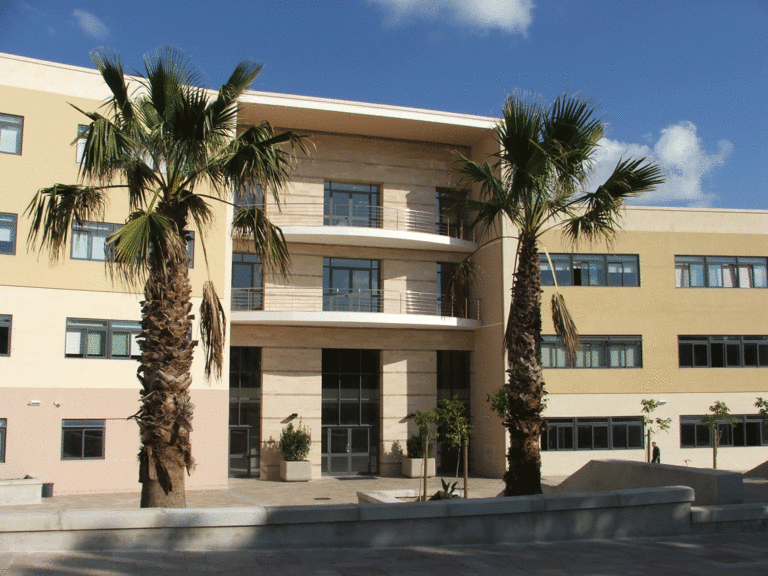
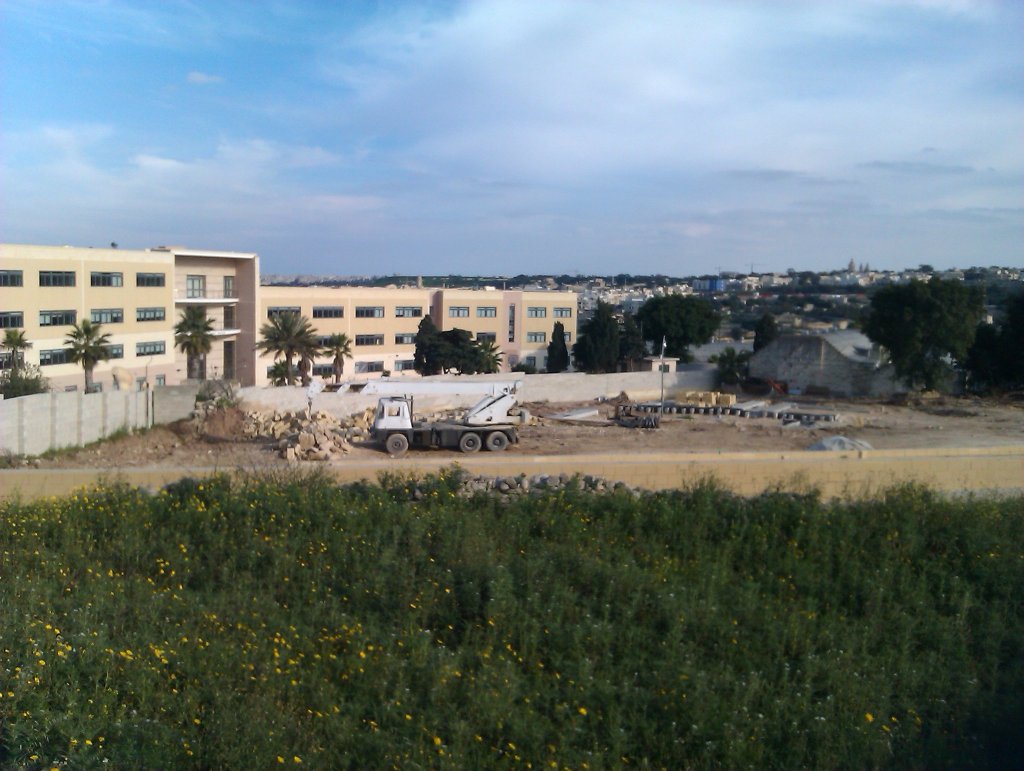
St. Ignatius Secondary School, located in the tal-Ħandaq area(on the outskirts of Qormi), was rebuilt in 2007 and has since served as the secondary school for students from the surrounding towns. It was recently renamed Mikiel Anton Vassalli, restoring the name it held when it functioned as a Boys' Junior Lyceum.
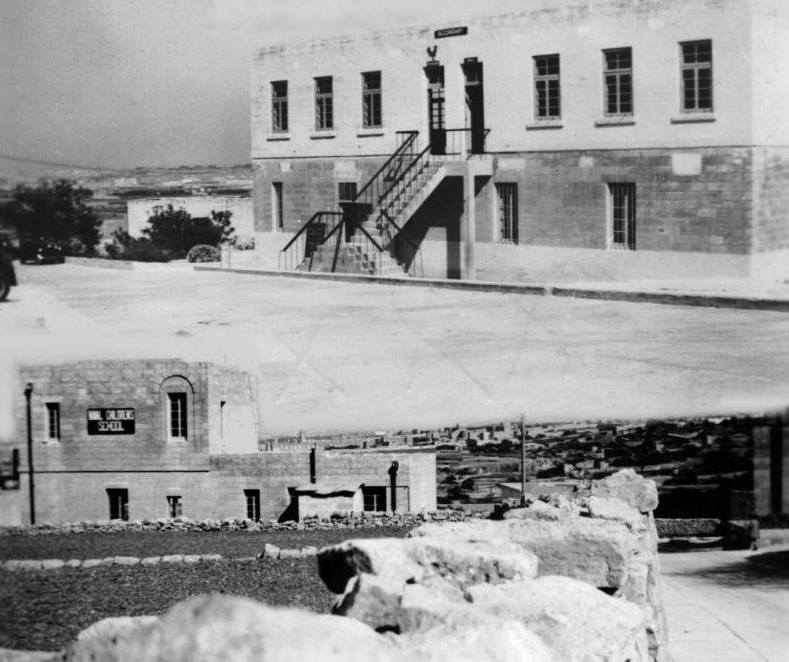
The Mikiel Anton Vassalli Junior Lyceum, also known as the Liċeo M.A. Vassalli, was established in 1981. The school was built on the premises of the former Royal Naval School, which had catered to the children of British servicemen between 1947 and 1978. The school was named after Mikiel Anton Vassalli, a patriot who cared deeply about the well-being and future of the Maltese people.
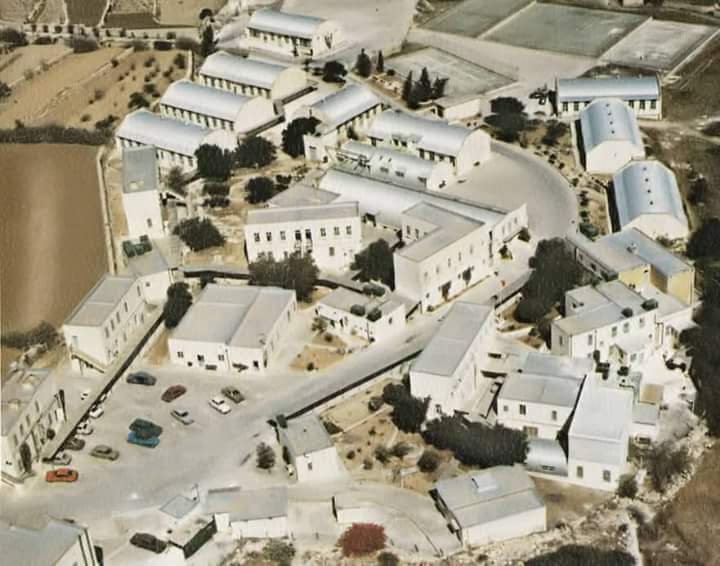
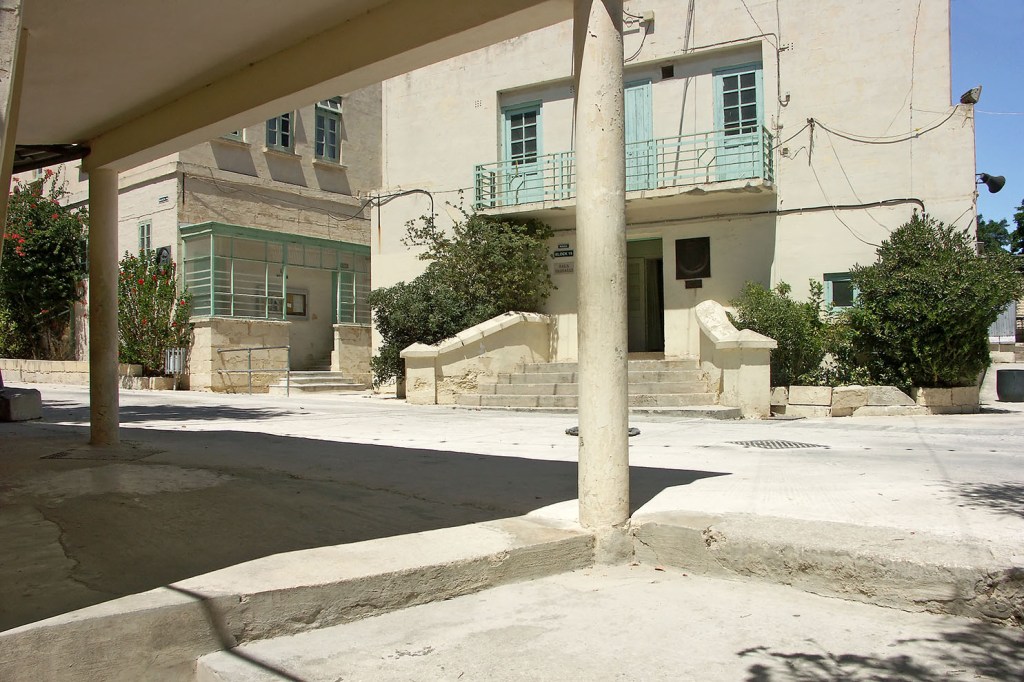
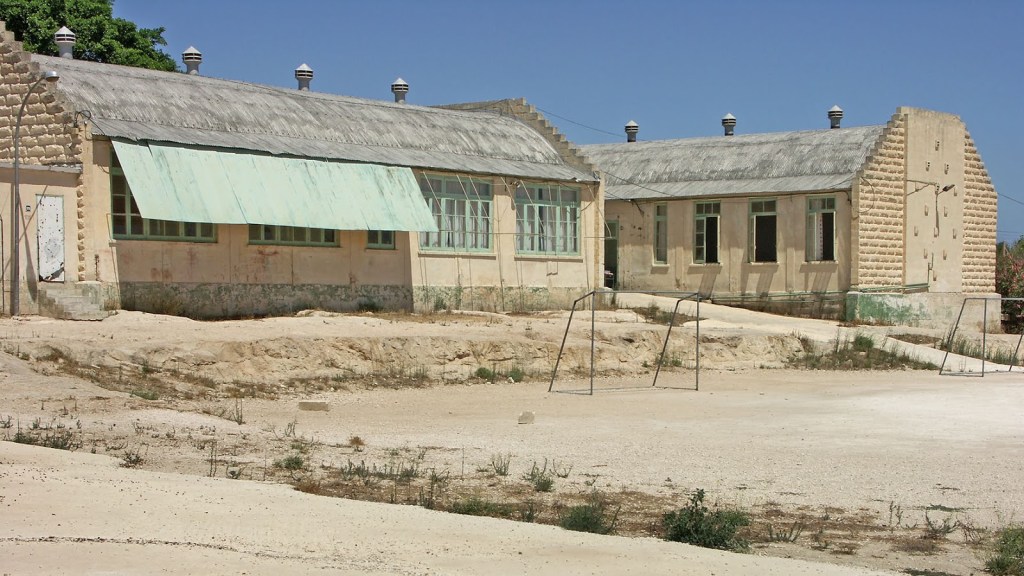
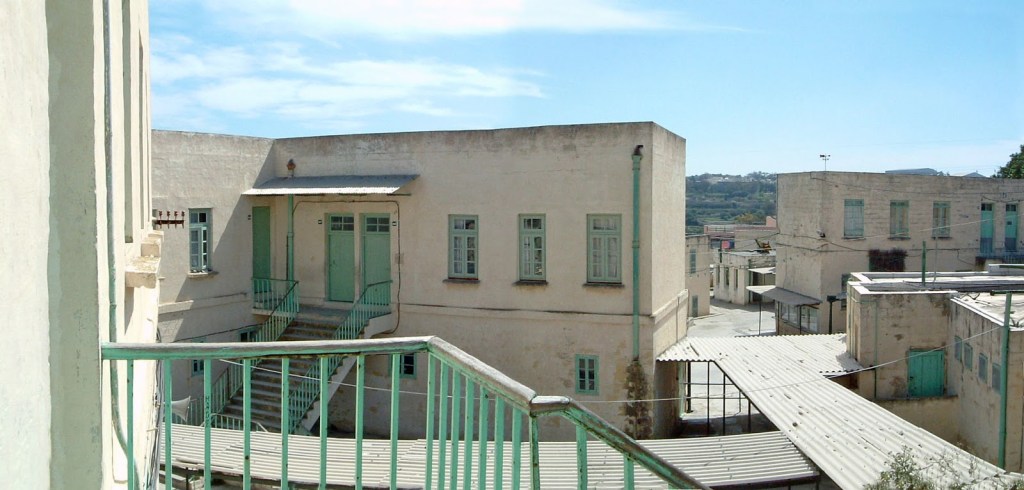
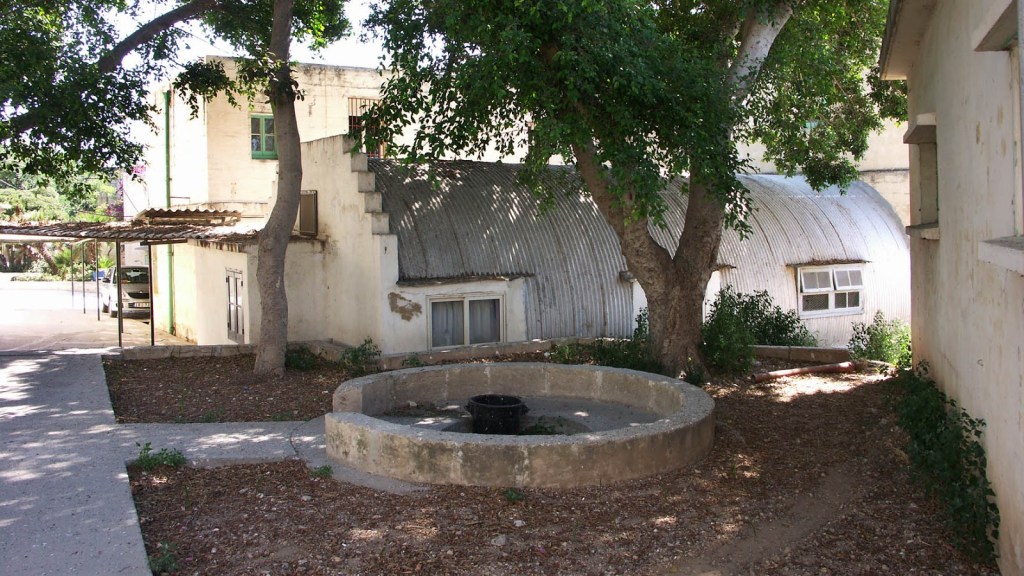
The Junior Lyceum provided secondary education for boys aged ten to sixteen. The school complex had a distinctive layout featuring Nissen huts and small blocks set in a random pattern along a main thoroughfare, designed to resemble a traditional Maltese village. This arrangement, originally intended to camouflage the military infrastructure during World War II, was crucial for blending the school into its surroundings and protecting it from potential air attacks. The road within the complex allowed for one-way vehicular traffic from one gate to another.
The school had several modern facilities to support academic and extracurricular activities, including a multi-purpose hall, a gymnasium with parquet flooring, an athletics’ room, and three basketball, tennis, and volleyball courts, which could also be used as football pitches. Other amenities included a cinema room, a table-tennis room, a music room, an arts studio, and a pioneering computer room, which was one of the first of its kind in the 1980s.
A distinctive feature of Liċeo M.A. Vassalli was its unique approach to classroom management: subject teachers had their own dedicated classrooms, and students moved from one class to another after each forty-five-minute lesson. Additionally, the school had the latest start time among secondary schools in Malta, with the first session beginning at 08:45. Wednesdays were designated as half-days, giving students time for sports and extracurricular activities mid-week.
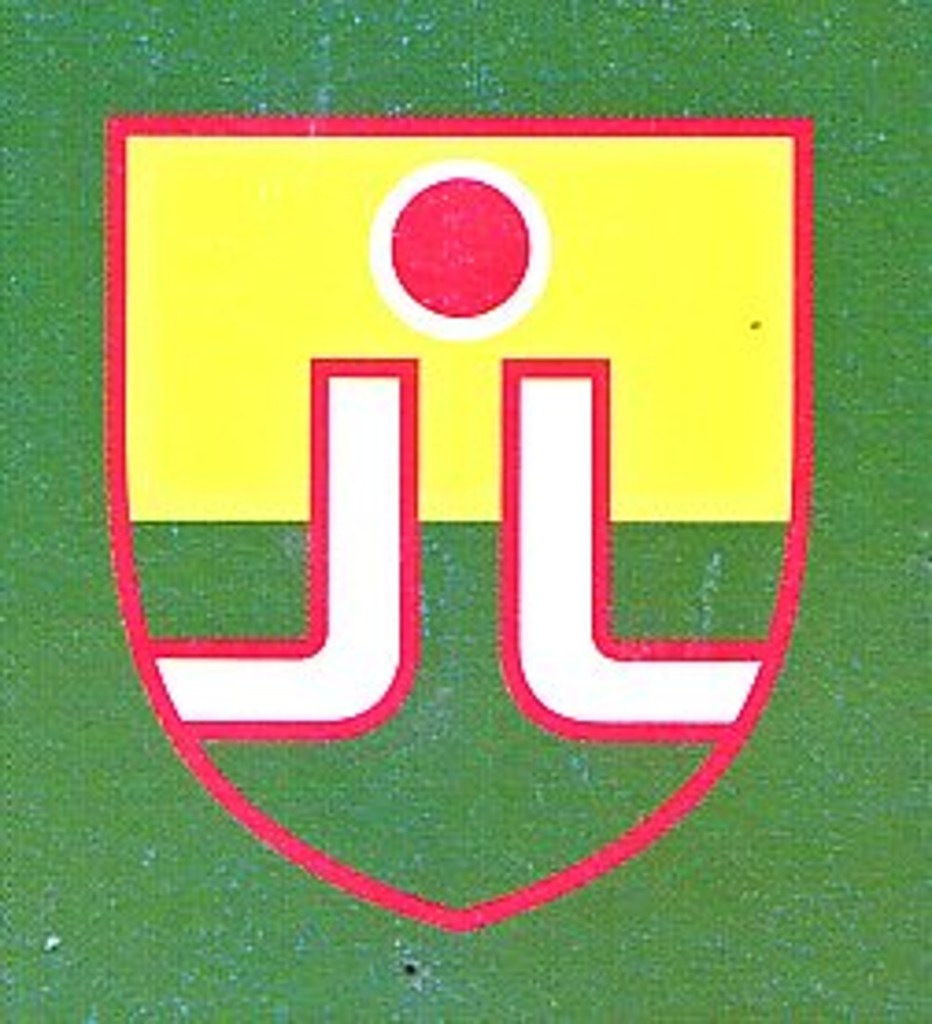
In line with national educational protocols, students were required to wear a school uniform. The winter uniform consisted of green trousers, a green blazer and jersey, a light beige shirt, and a green tie with thin diagonal red and white stripes. The summer uniform replaced the blazer, jersey, shirt, and tie with a short-sleeved polo shirt in the same beige color as the winter shirt, featuring the school’s emblem on the left chest pocket.
During the 1980s, Liċeo M.A. Vassalli became a benchmark for education in Malta, gaining immense popularity among primary school students in their final year. These students aimed to pass entrance examinations specifically designed for admission to the Junior Lyceum. The school set the highest educational standards within the public sector, influencing even private secondary schools to raise their own standards.
Much of the school’s success can be attributed to its headmaster, Mr. John Michael Testa, who was the driving force behind the Ministry of Education’s Junior Lyceum plan. Mr. Testa encouraged students to strive for excellence and to participate in educational and sports competitions at both the national and international levels. His unwavering commitment and passion inspired students to achieve remarkable success, laying the foundation for their future career accomplishments.




 Mikiel Anton Vassalli