REACH CLASS 
WHO WE ARE
The Reach Class team is made up of Ms Sandy Failla (the class teacher) and Ms Maynie Agius (Learning support educator), Ms Mariella Stivala (Learning support educator), Ms Donnalise Debono(Learning support educator), and Mr Christian Xuereb (learning support educator). The team works with other stakeholders to provide the best education for its students.
AIMS AND PURPOSE
The aim is to provide a structured, supportive, and individualized learning environment that meets the unique needs of students. The Reach Unit is part of an educational continuum that allows students with special needs to receive learning in smaller groups in mainstream middle and secondary schools in their community. It provides students with a quiet, steady, consistent, and encouraging learning environment and seeks to address their individual requirements, such as those on social skills, executive functioning, emotional control, and sensory processing.
INTEGRAL PART
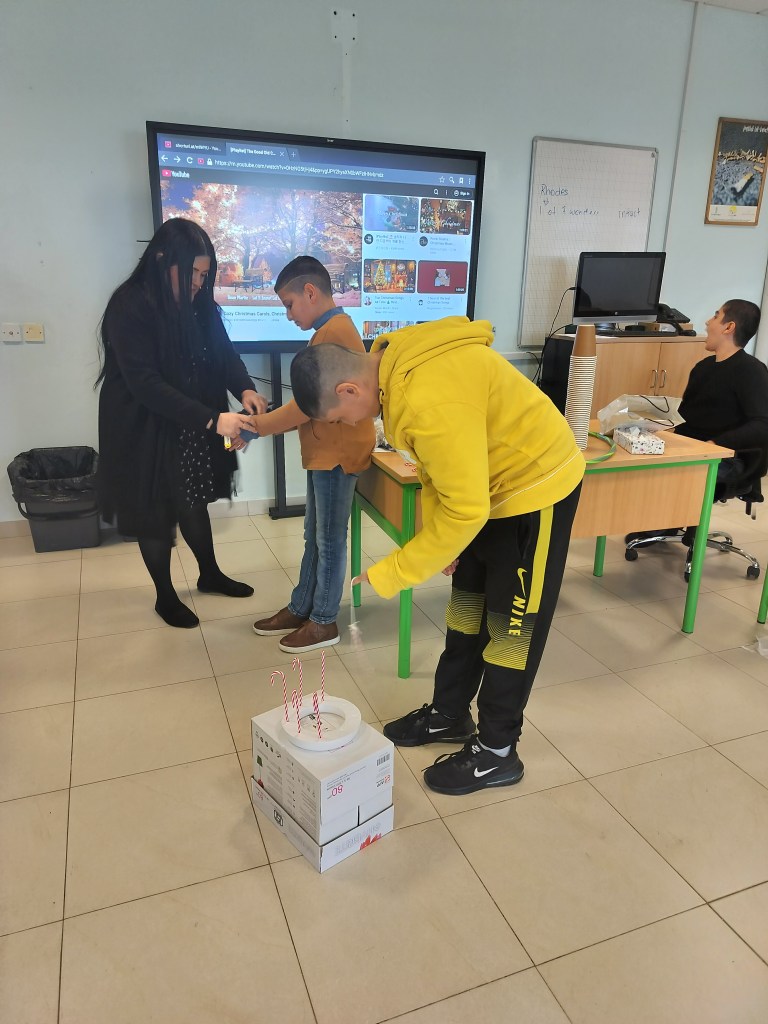
The Reach Class forms an integral part of the Secondary School and it embraces the school rules, policies, and ethos. The RC consists of 4 rooms, 2 classrooms, 1 white room (The White Room is a safe environment where learners can calm their fears and anxieties) and a Blue room (dedicated to catering to its students' needs. It can be found on Level -1, next to the Learning Support Zone.




HOW IT WORKS
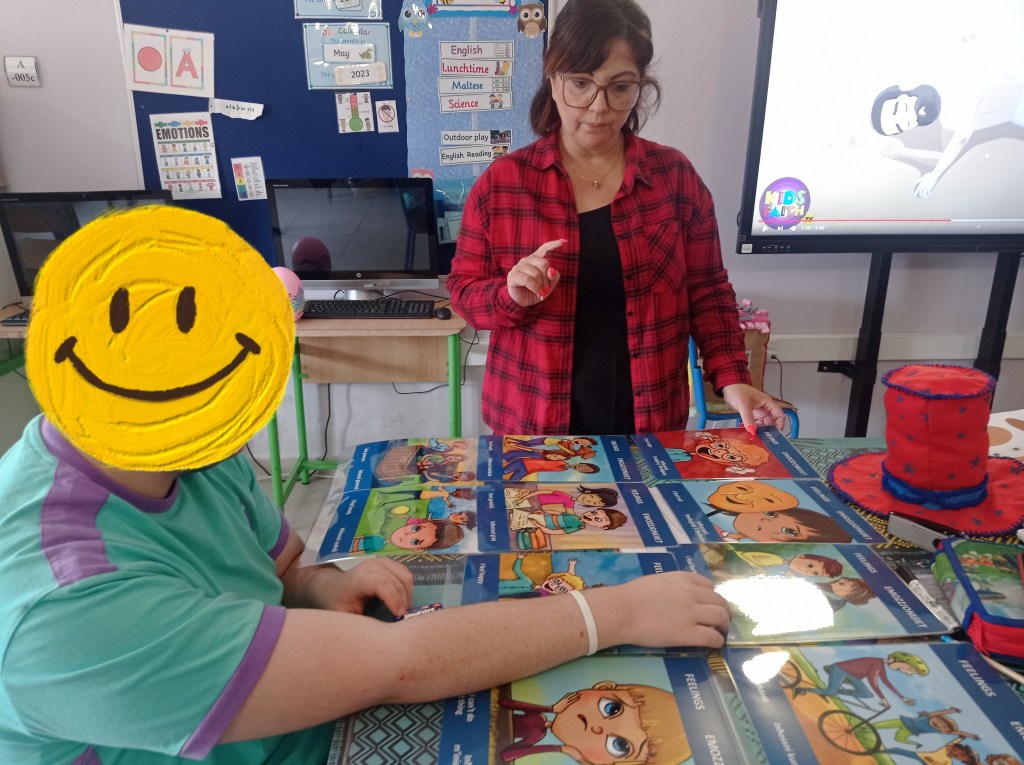
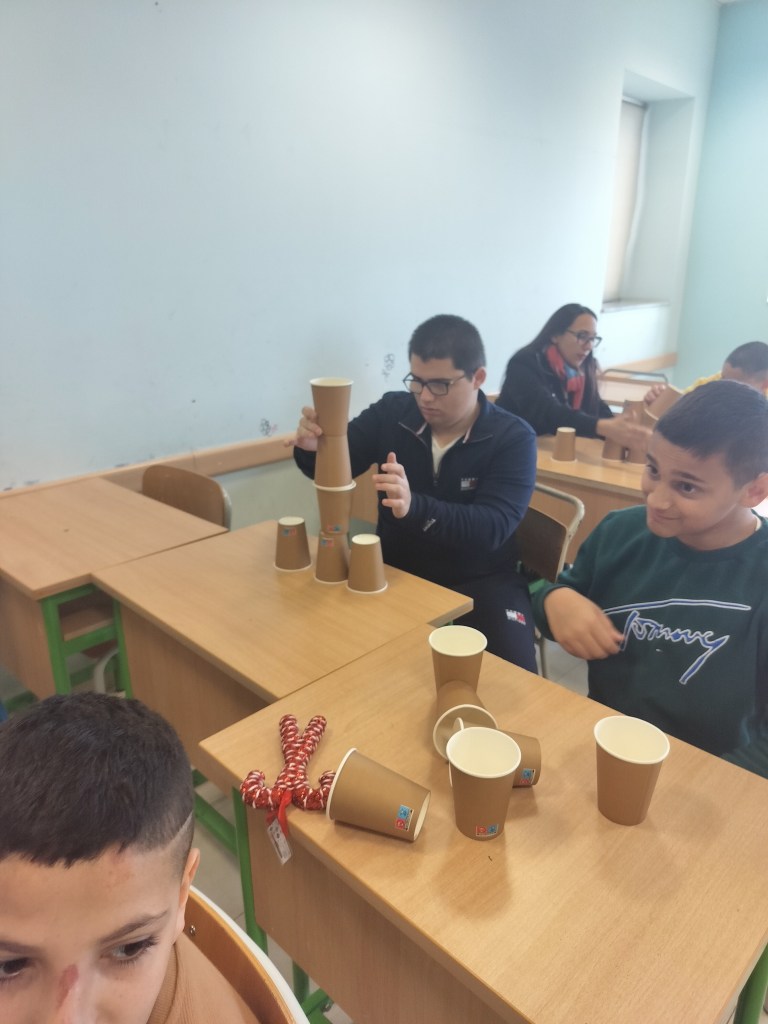
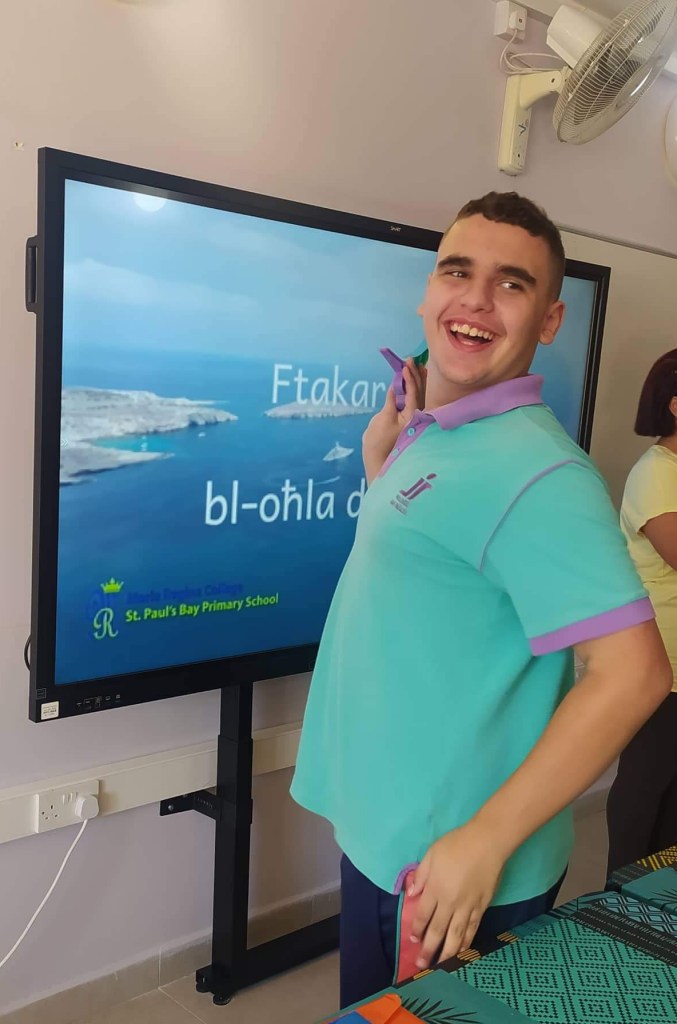
The Reach Class can take a maximum of 8 students. The students attending the reach class are mainly on the Autism spectrum. These students find it difficult to integrate in the mainstream where they have to move from class to class with a different teacher for each lesson.
The Reach class works as a primary classroom where the class teacher will teach all the subjects to the student’s level.
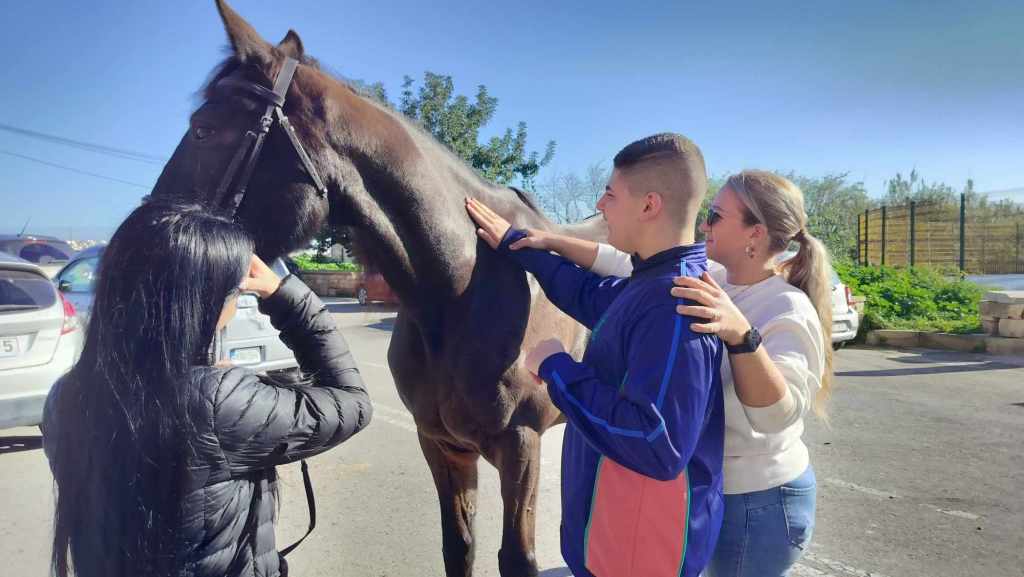
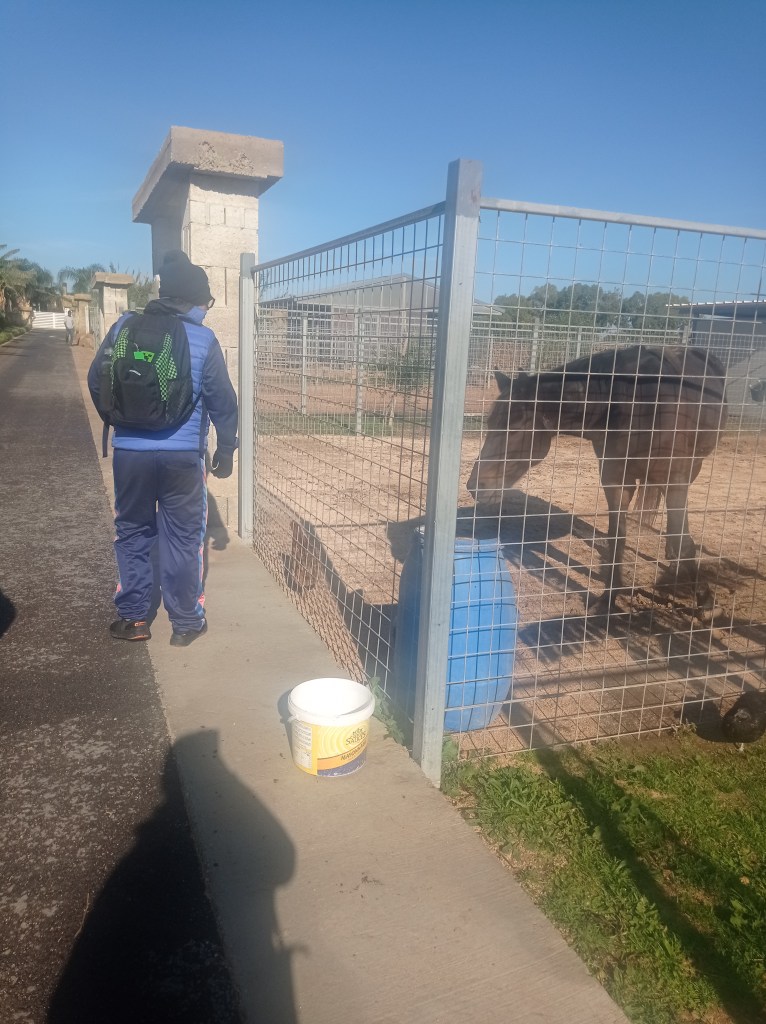
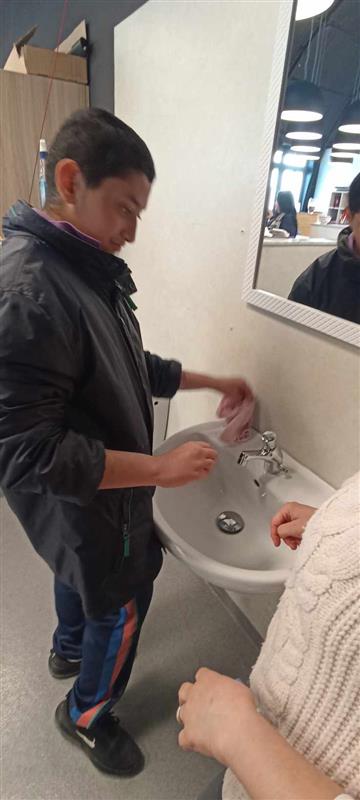
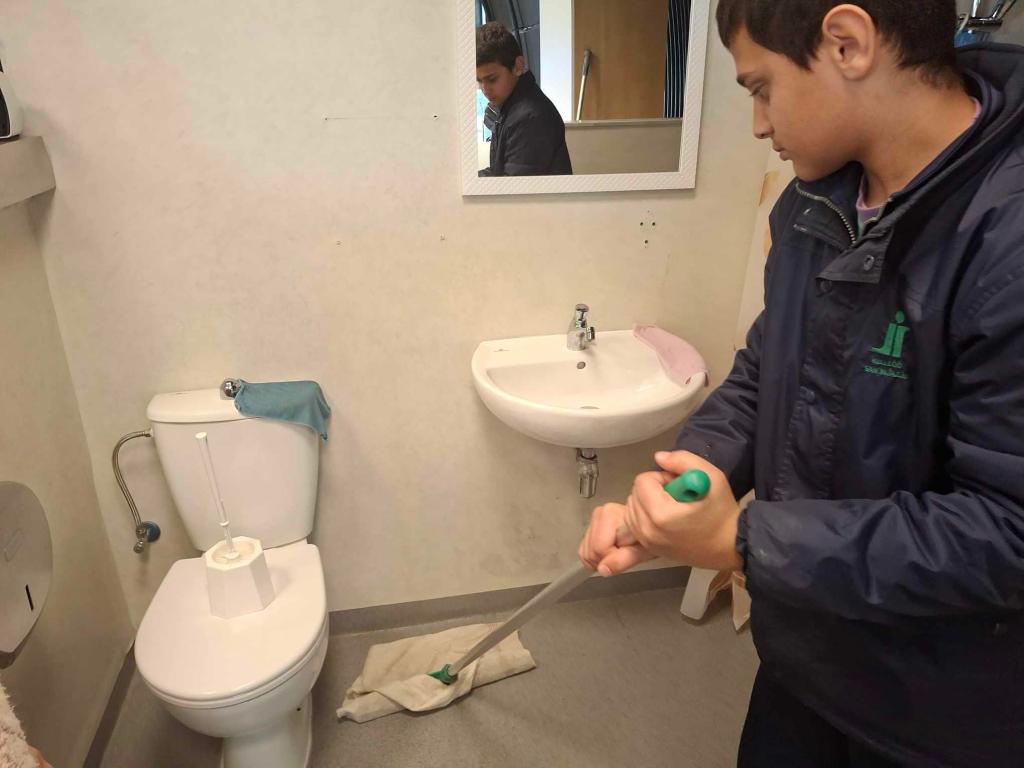
The Reach class aims to teach the students to become more independent.
1. Individualized Learning
Adapting curriculum and teaching strategies to fit each student’s learning style and needs.
Using IEPs (Individualized Education Plans) to set personalized academic and developmental goals.
2. Communication Development
Encouraging verbal and non-verbal communication skills.
Utilizing AAC (Augmentative and Alternative Communication) tools, such as PECS (Picture Exchange Communication System) or speech-generating devices.
3. Social Skills and Interaction
Teaching students how to engage with peers and adults in structured and natural settings.
Implementing social stories, role-playing, and group activities to improve social understanding.
4. Sensory Support and Regulation
Creating a sensory-friendly environment that reduces overstimulation (e.g. dimmed lighting, quiet spaces, sensory breaks).
Providing access to sensory tools (fidget toys, weighted blankets, swings) to help with self-regulation.
5. Behavioral and Emotional Support
Using positive reinforcement and clear expectations to promote positive behaviors.
6. Life Skills and Independence
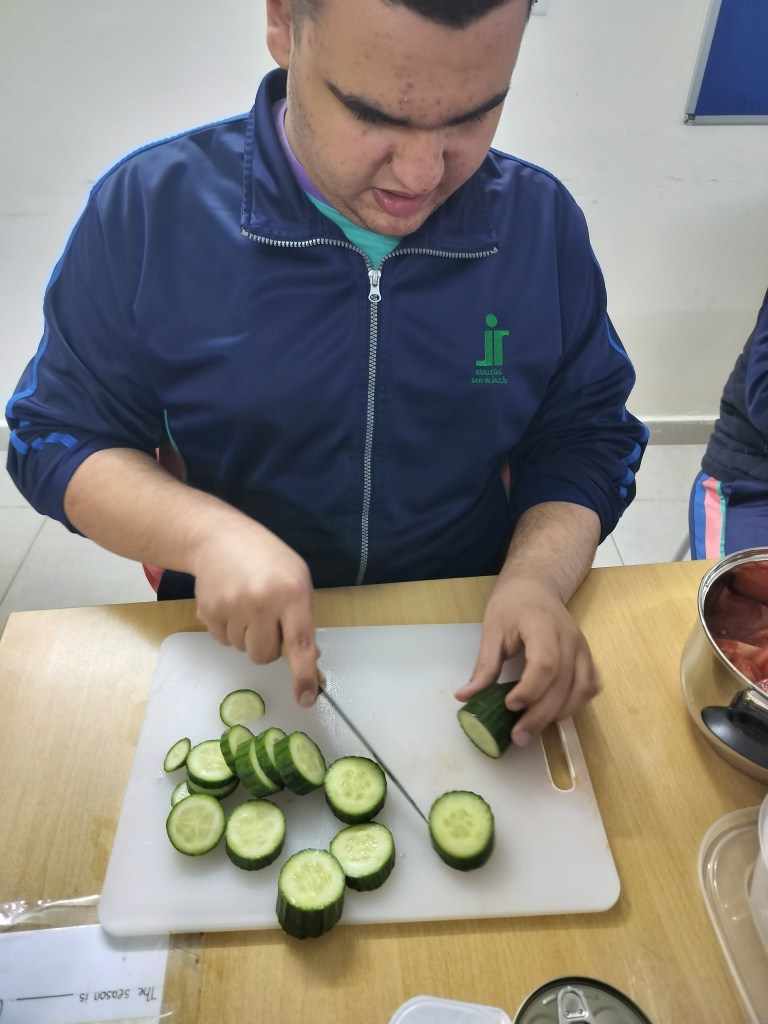
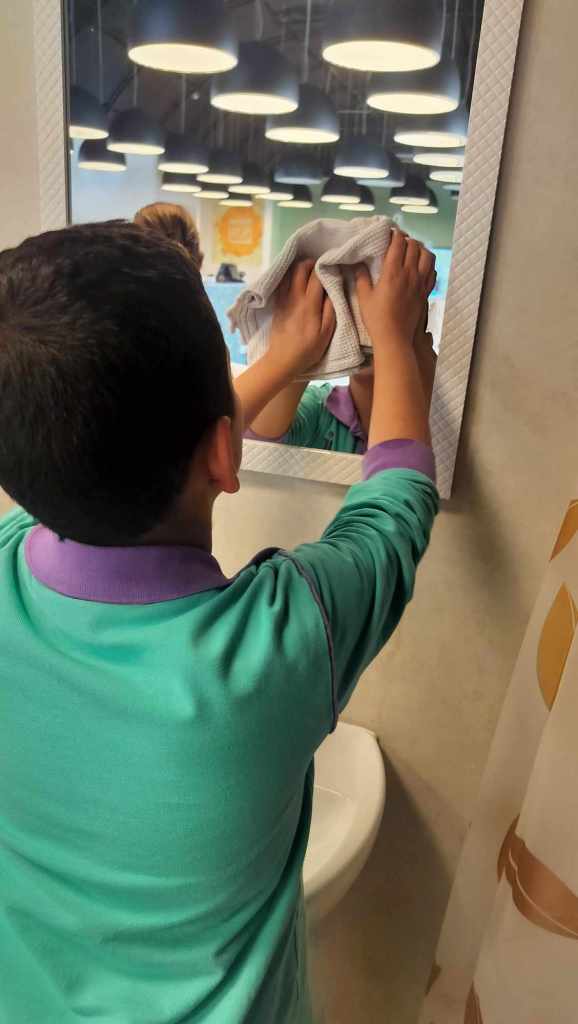
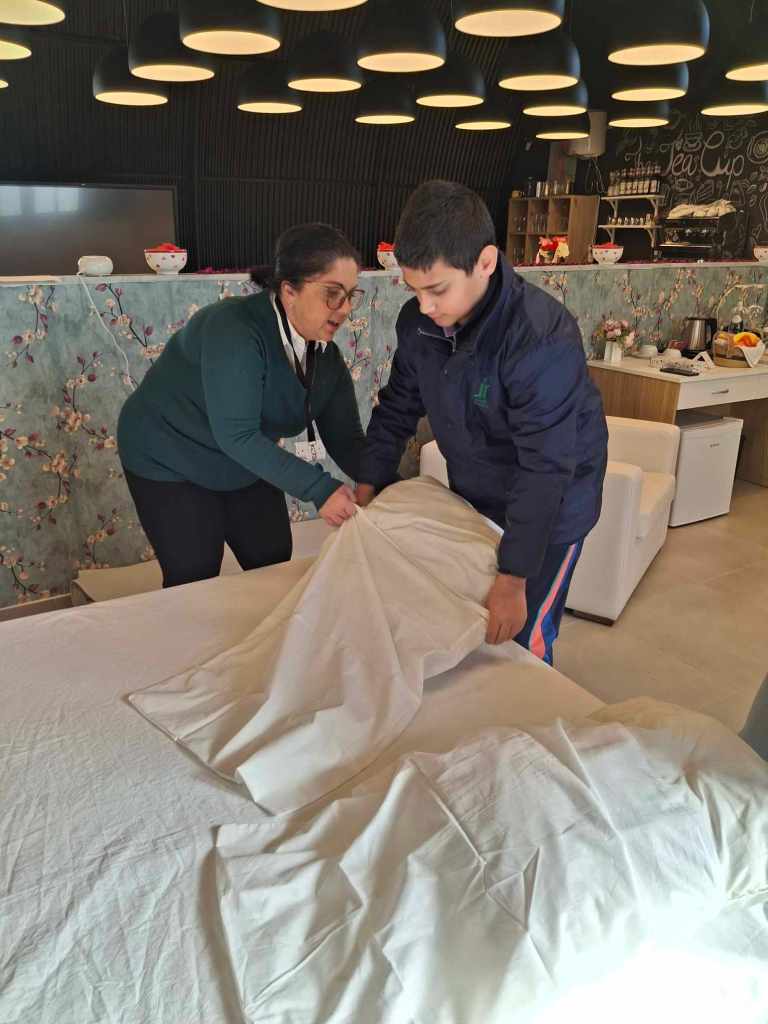
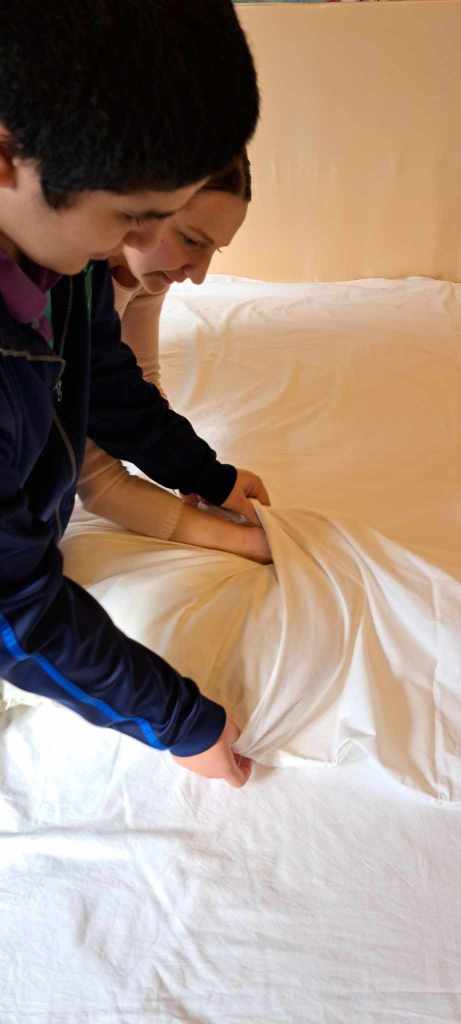
Teaching self-care skills (dressing, hygiene, organization).
Encouraging independence in academic and daily tasks through structured routines.
7. Academic Growth
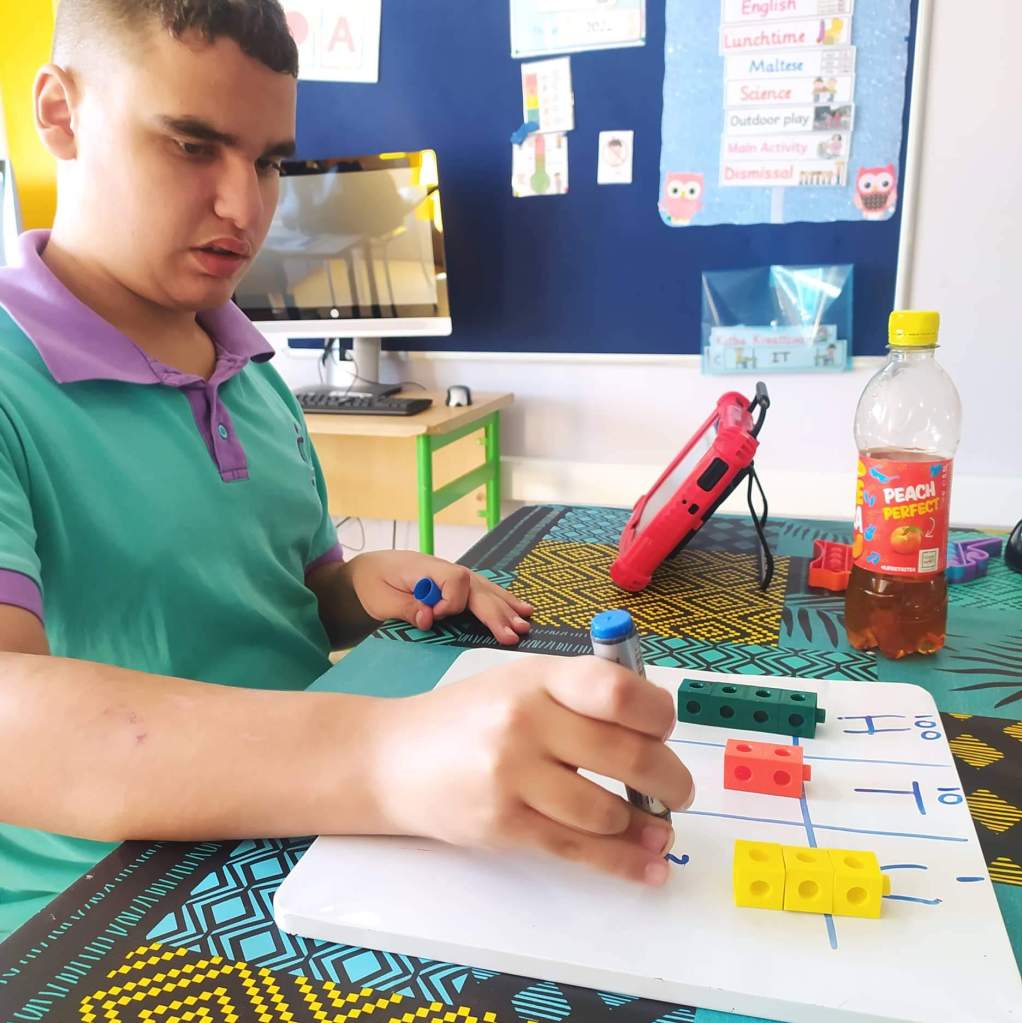
Adjusting teaching methods to support different cognitive abilities (visual aids, hands-on activities, repetition).
8. Parental and Community Involvement
Collaborating with parents and caregivers to support learning at home.
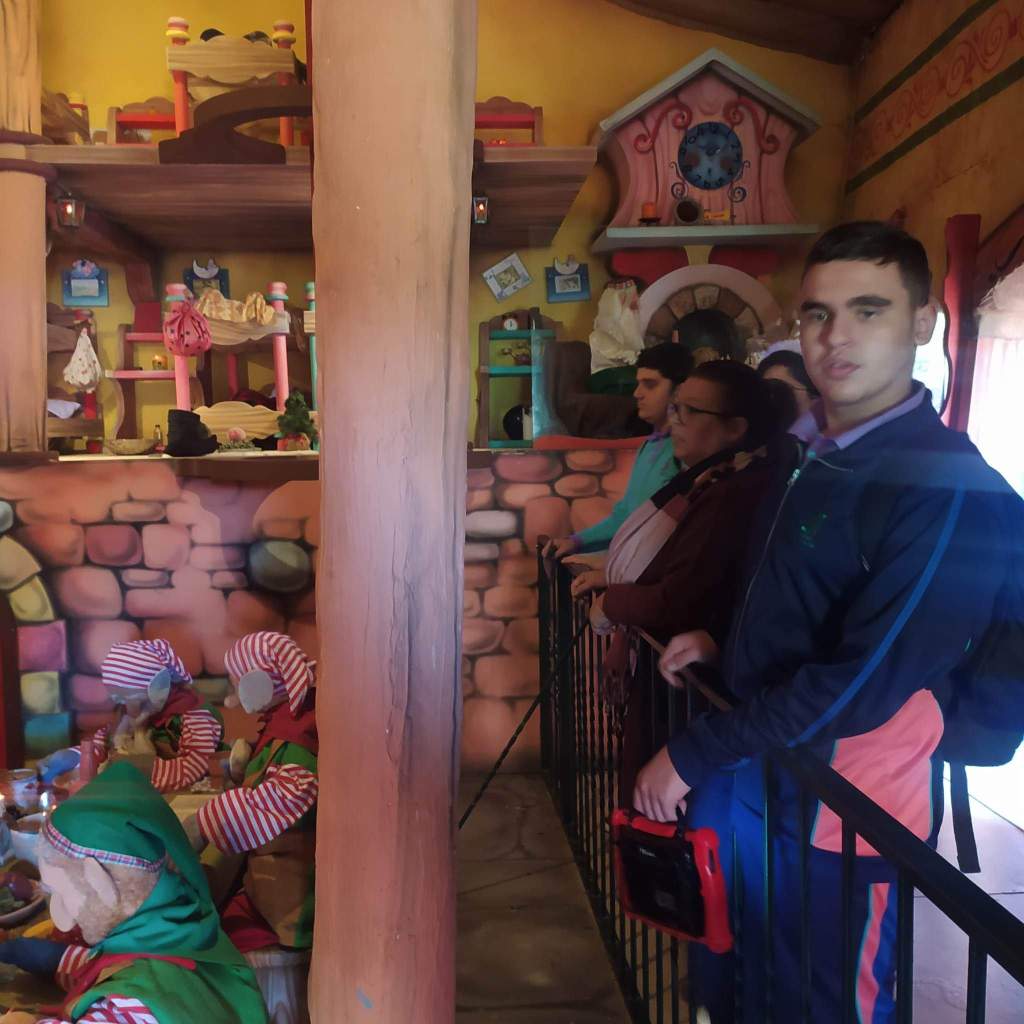
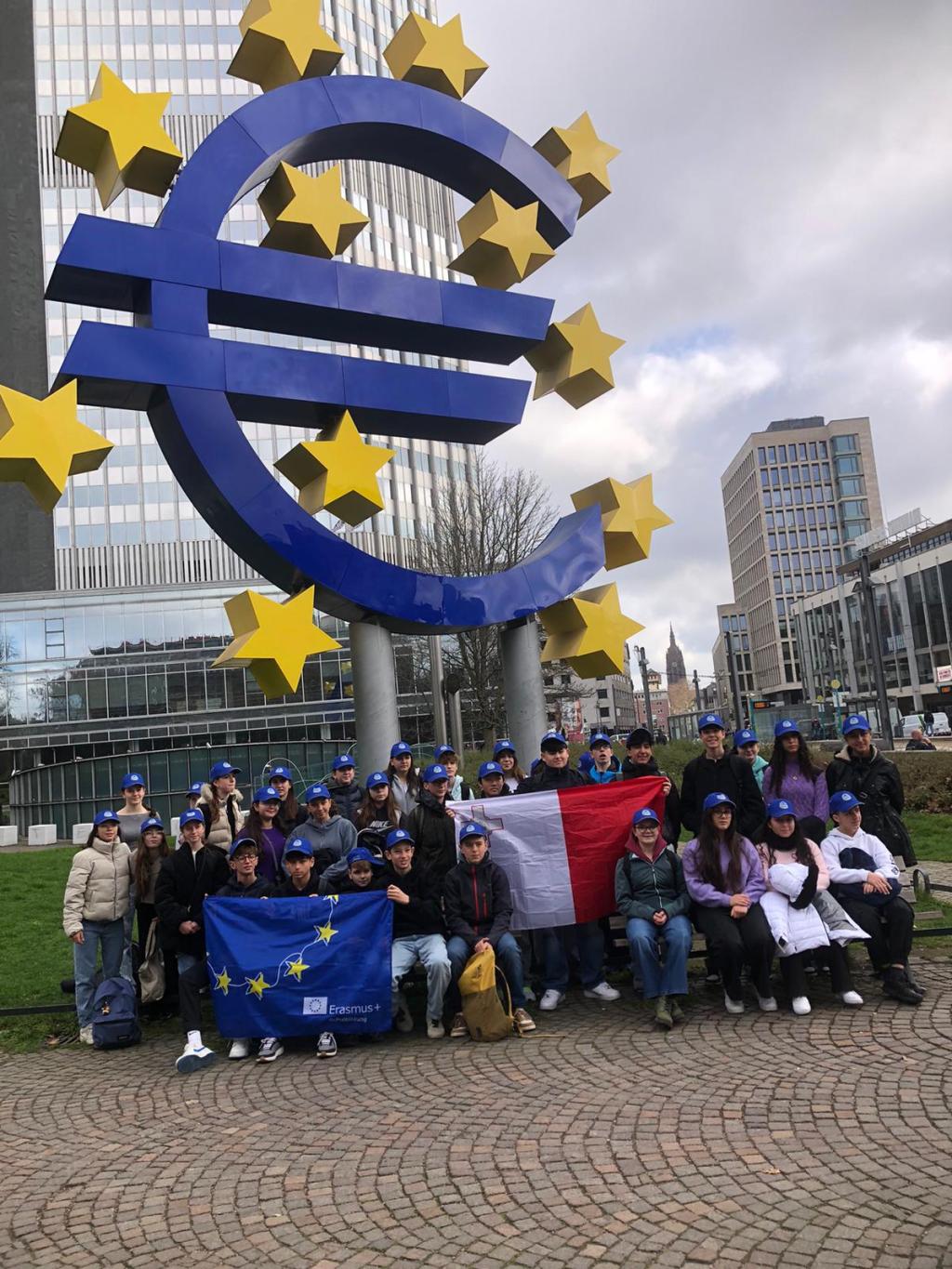
Encouraging inclusion within the school community.
 Mikiel Anton Vassalli